I Visited the Caribbean's CBI Islands. Here's What I Learned
Some places you cannot understand from a brochure, and the Caribbean is one of them. It is one of the most talked-about regions in investment migration, and one of the least truly seen. For years I have advised clients on its citizenship programs, fluent in the figures, the timelines, the visa-free counts. What no comparison table ever conveys is the country itself.
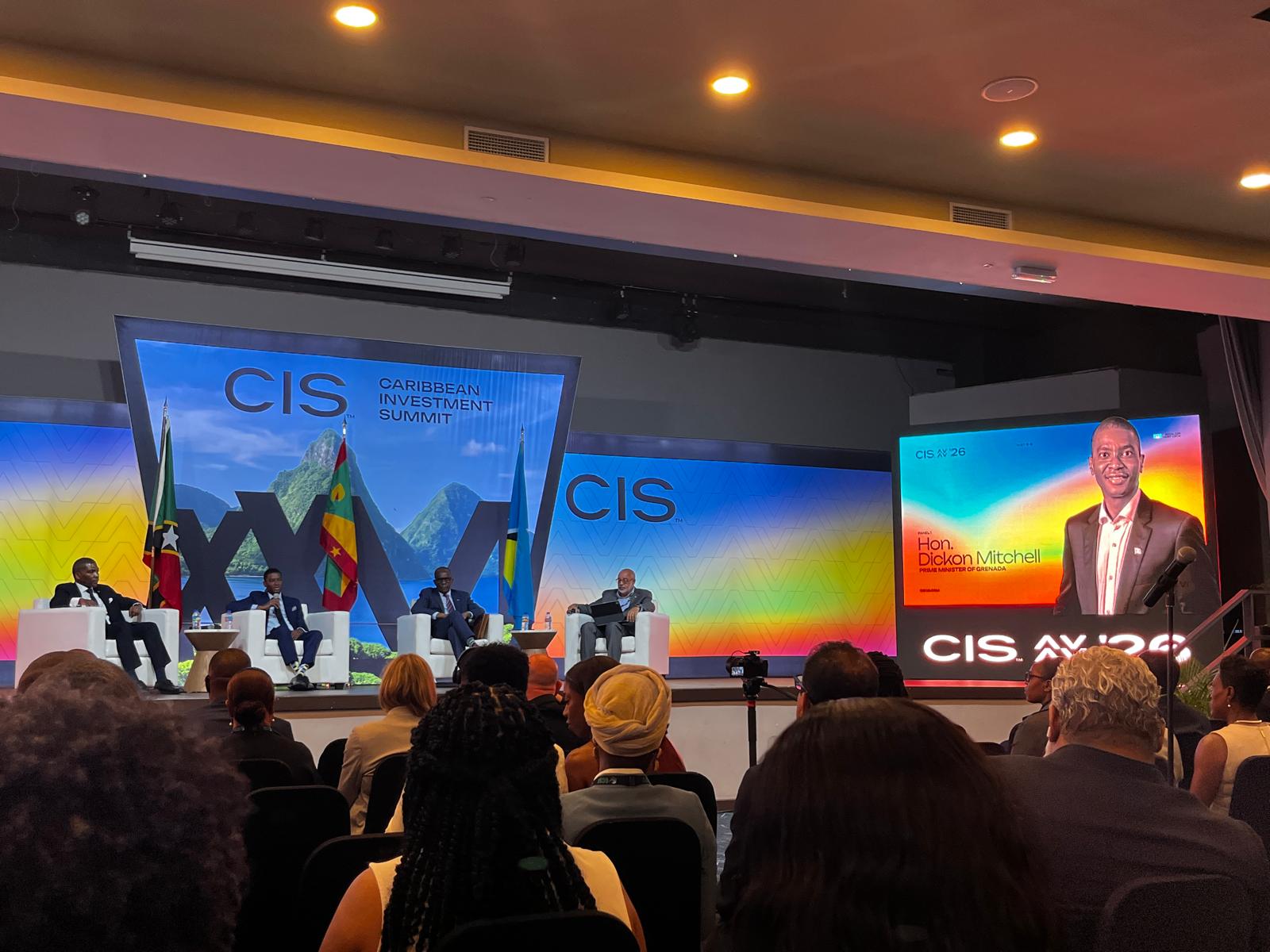
So my colleague and I went. We spent 2 weeks across St Lucia, Grenada, and St Kitts and Nevis, around the Caribbean Investment Summit 2026, walking the projects and sitting down with the partners we work with across the region. I came home with a clearer sense of what makes these islands genuinely special, and why that should weigh more heavily in the decision than the figures alone.
What a Caribbean CBI investment really pays for
Start with the thing the glossy materials tend to skip. These are small island nations, and several sit directly in the path of hurricanes that can rewrite an economy in a single afternoon. When Hurricane Beryl struck Grenada on 1 July 2024, the damage was assessed at more than 16 percent of GDP, concentrated on Carriacou, Petite Martinique, and the northern parishes. This is the context for the entire industry, and it is the reason citizenship by investment matters as much as it does.
Here is what makes the story worth telling. Despite Beryl, Grenada's economy still grew in 2024, and record citizenship by investment revenue was one of the reasons it could absorb the blow and keep moving. The money raised does real work: infrastructure, healthcare, climate resilience, the rebuilding that follows a bad season. For some of these governments, CBI is not a marginal line of income; it is a meaningful share of national revenue. Dr Ernest Hilaire, Saint Lucia's minister responsible for the program, has put his country's at under 10 percent of national revenue, while noting that others in the region draw as much as half of theirs from it.
This reframes the transaction. An investor gains global mobility and a credible plan B. In return, the capital underwrites a country that genuinely needs it, and that uses it to build resilience against the next storm. Both sides get something real. We have always said this to clients. Standing in front of a functioning resort that employs hundreds of local people, built with exactly this kind of money, the point stops being rhetorical.
What we saw the CBI projects building
The developments funded by these programs are some of the finest hospitality in the Caribbean, and we went to walk them. We were blown away. The finish, the service, the setting, all of it held to a standard you would not expect to find clustered on a few small islands. These are places we would happily send anyone, and stay in ourselves. The quality is the story.
Grenada: Six Senses thriving, InterContinental on the way
On La Sagesse Beach in Grenada, Range Developments' Six Senses La Sagesse is open and flourishing, the kind of resort that lands on best-new-hotel lists in its first year, set between two beaches around a natural lagoon. Beside it, the InterContinental Grenada is rising toward a November 2026 opening. Seeing a finished, full resort next to its successor going up captured the trajectory perfectly: a developer with a track record, building on it. The detail throughout was exceptional, and you could feel how much of it had been done with care and vision.

St Kitts and Nevis: the established Park Hyatt
In St Kitts we spent time at the Park Hyatt, open since 2017 and now an established anchor of the island's luxury offering. Years of operation have made it exactly what an investor hopes to see: a property that has proven itself, employs local people, and continues to perform. You can stand in it and feel the maturity: a resort that has settled into its place, run by a team that clearly takes pride in it. This is what a CBI real estate route looks like when it works.
St Lucia: the long-horizon case
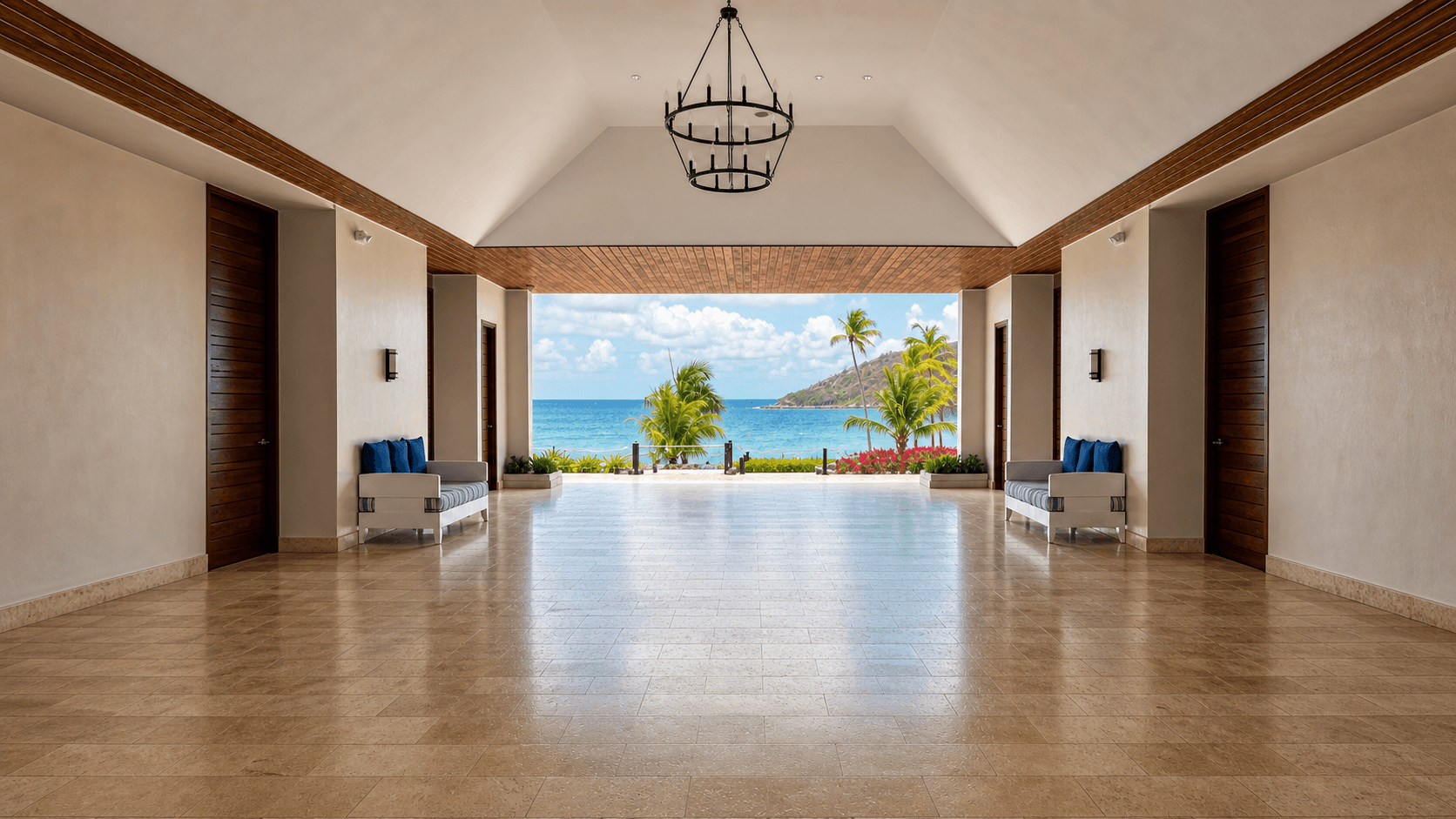
St Lucia carries a different profile. Parts of the region are already highly developed; parts are still on the rise. We saw A'ILA, its flagship approved development on Mount Pimard near Rodney Bay, a wellness resort taking shape in phases through 2027. It is going to be exceptional, and it tells you exactly where the island sits: early in its arc, with its best chapters still ahead of it.
Why now is a meaningful moment for Caribbean CBI
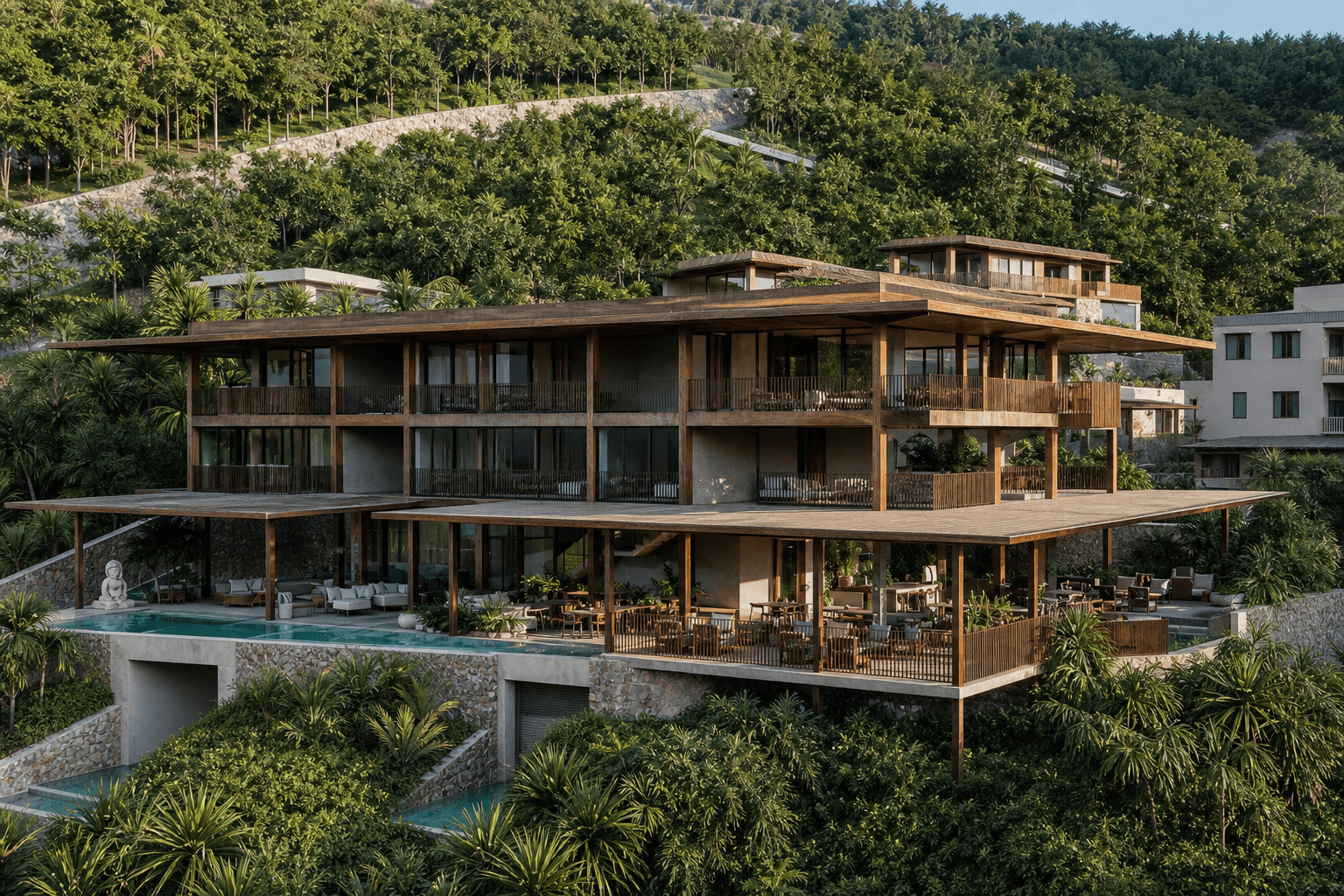
Step back from any single island and a regional pattern comes into view. The Caribbean CBI nations are on a clear upward trajectory. New international-brand resorts, improving infrastructure, and tightening regulation are all pulling in the same direction. Some of these islands are already polished; others are visibly mid-transformation, with cranes and new openings on the skyline.
Seeing it in person made that potential concrete. You can feel it on the ground: the ambition of what is being built, the pace of it, the sense of islands moving toward something larger than where they are today. For an investor, this is the part that should carry weight. A citizenship is not a trade you exit in a quarter; it is a tie to a country you may hold for the rest of your life and pass to your children. So the direction that country is heading matters far more than the entry price. Backing a place while it is still ascending means your stake grows alongside it, in a nation whose stability, reputation, and global standing are all rising rather than fading. That is the case desk research keeps missing. These are not finished places. They are growing ones, with their strongest chapters still ahead, and that is worth seeing.
Which Caribbean island is best for citizenship by investment?
We get asked this regularly. After 2 weeks of trying, we cannot, and we do not think the question has a single answer. They are not interchangeable. Grenada is the only Caribbean CBI country with a US E-2 treaty, which lets its citizens apply for a US investor visa and run a business there without pursuing a green card. For anyone with American ambitions, that is a rare and valuable door. St Kitts and Nevis carries the heritage of the world's oldest program and walked away from CIS 2026 with the top program award after a serious reform cycle. St Lucia offers range and one of the most exciting development arcs in the region.
Each island carried its own charm. Picking a favourite was impossible and, for advisory purposes, beside the point. The right program is the one that fits the client's actual goal: mobility, business access, family planning, a long-horizon investment. Not the cheapest row on the table.
What the Caribbean Investment Summit 2026 revealed
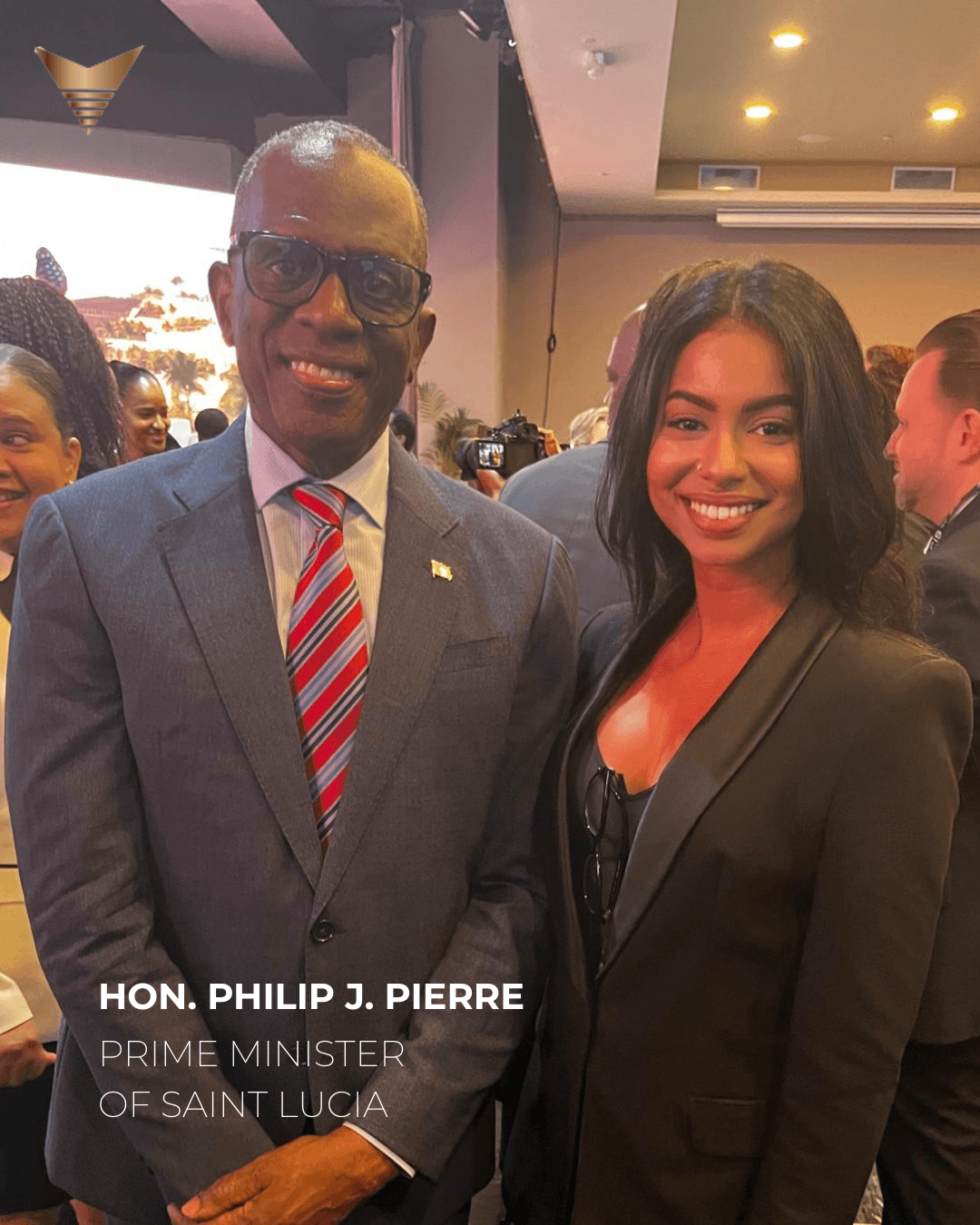
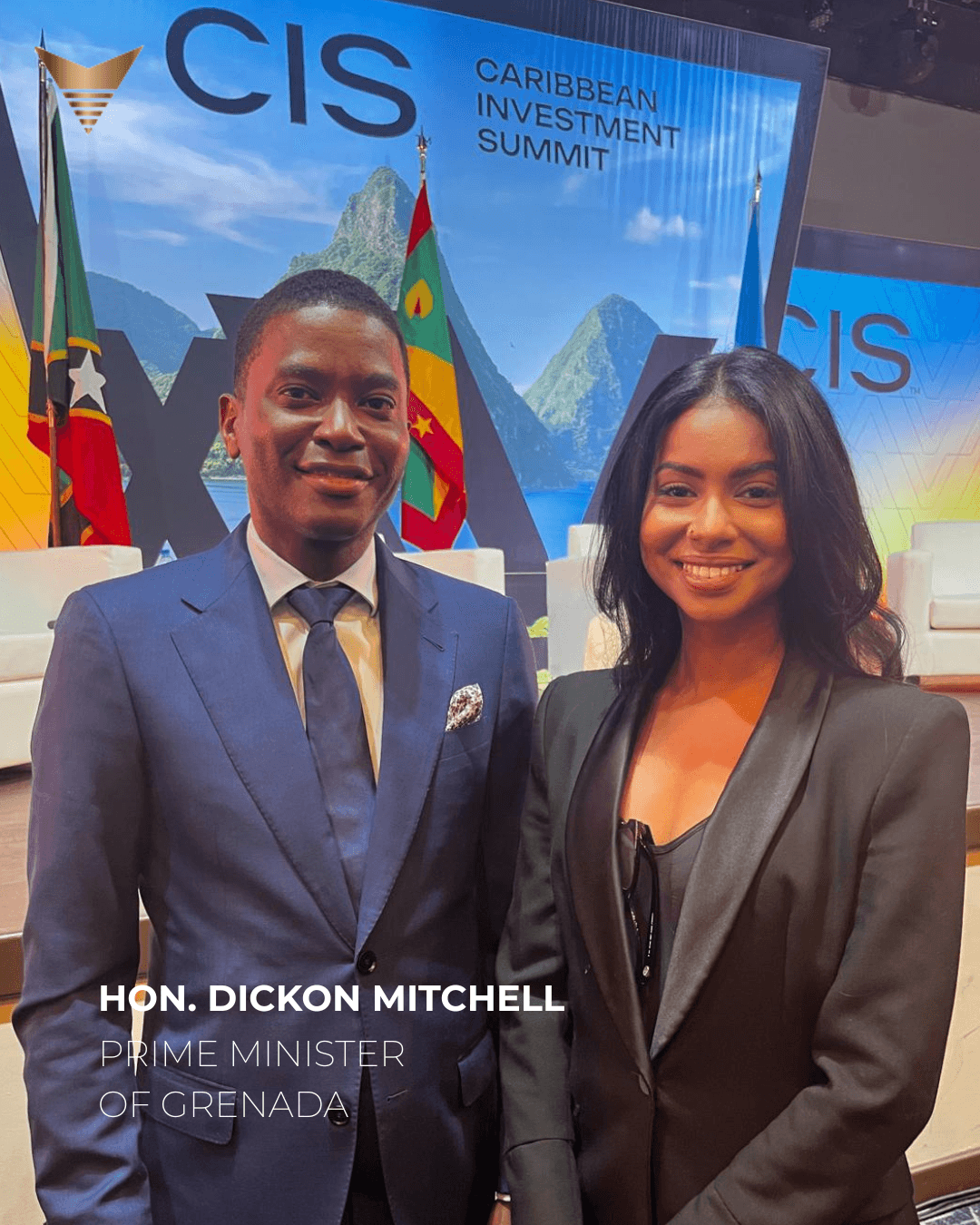
If you have only seen Caribbean CBI from a distance, the seriousness of it in person is striking. Heads of government, program directors, development banks, and global investors spent three days at CIS 2026 on regulatory convergence, due diligence technology, and financial integrity. The five Eastern Caribbean nations have agreed a common program cost minimum and stood up a shared regulator, ECCIRA, headquartered in Grenada, to oversee all of their programs against one standard. We also had the chance to meet two of the region's prime ministers, a brief but telling moment that brought home how directly these countries are involved in the future of their programs.
St Kitts and Nevis took home four awards, including Programme of the Year, on the back of biometrics, tighter screening, and governance reform. This is an industry holding itself to a high standard because its credibility depends on it. Watching that rigour up close was one of the most reassuring parts of the trip.
 |  |
Where the programs are heading: residency, biometrics, and a cultural test
The clearest signal from the summit was the direction of travel. Three reforms are coming, and together they reshape what a Caribbean passport asks of its holder. First, a physical residency requirement: new citizens will need to spend an aggregate of at least 30 days in their country of citizenship within the first five years. The days need not be consecutive, and the obligation applies after citizenship is granted. It runs across all five programs, and for four of them, every one except Antigua and Barbuda, which already asked for a short stay, it is a genuinely new expectation.
Second, biometrics. Mandatory biometric data collection and in-person interviews are being built into the application process across the region, with a shared regional database. Third, a cultural and civic integration component: applicants will complete an integration program covering the laws, history, and constitutional principles of their chosen nation, alongside cultural orientation. In effect, a cultural test, a requirement to know something substantial about the country whose citizenship you hold.
These are part of the ECCIRA framework and, following Saint Lucia's December 2025 election, coordinated implementation has moved to mid-2026 rather than taking effect immediately. For clients, the takeaway is simple. The era of treating citizenship as a remote formality and nothing more is closing. The programs increasingly expect a genuine link to the country, which, if you have been there, is no hardship at all. It is the most natural thing in the world.
We support these changes. An investor and a country both have far more to gain from a long-term relationship than from a one-off transaction, and the reforms are built to encourage exactly that. They also protect something that matters to everyone holding one of these passports: prestige. Keeping the programs aligned with international standards is what preserves their value and their visa-free reach over time. A passport is only as good as the regulatory credibility behind it, and the region is investing in that credibility rather than coasting on it.
Why the people are the part you can't underwrite remotely
We spent time with the partners we work with locally, the people who carry the work long after a client has signed. Sitting down together in-person strengthens the years of correspondence: it deepens trust, sharpens how we work as a team, and shows us directly the standards they hold. Having people and partners we know and rely on based in the Caribbean is not a nicety. It is the foundation of advising anyone to invest in a place they may never visit.
The people we met were one of a kind, and the islands themselves are unbelievably beautiful in a way no listing photo conveys. That sounds like a soft observation. It is in fact the hard one. A second citizenship is a relationship with a real country, held by real people in a place you can stand in. You cannot assess that from a comparison chart.
It is also more reachable than most clients assume. There are direct flights from the UK and from the United States, so for all the sense of distance, visiting is well within reach. For anyone weighing a long-term commitment to one of these countries, going to see it for yourself is not the ordeal the map suggests.
What changed in how we advise
We came home more confident, not less, in our recommendations for certain Caribbean programs, because we have now seen what stands behind them. The capital makes a tangible difference. The projects, the good ones, are built and operating. The governments are serious and well run. And the part that rarely reaches a client, the country itself, the people, the future being built, is the part most worth understanding.
Few people really know the Caribbean from a distance. They know an idea of it. The reality is more grounded, more capable, and far more compelling than one can imagine. If you are considering Caribbean citizenship, the experience we had is the one waiting for you on the other side of the decision: a real country that becomes yours for the rest of your life. The investors who move now are the ones who will know it first. The sooner you begin, the sooner that place is yours.
Sources
Organisation of Eastern Caribbean States (OECS), “OECS Sets Standards For Citizenship By Investment Programmes to Safeguard Their Integrity and Sustainability,” official press release, 24 September 2025: https://pressroom.oecs.int/oecs-sets-standards-for-citizenship-by-investment-programmes-cbicip-to-safeguard-their-integrity-and-sustainability
International Monetary Fund (IMF), “IMF Executive Board Concludes 2024 Article IV Consultation with Grenada,” Press Release No. 25/026, 4 February 2025: https://www.imf.org/en/News/Articles/2025/02/03/pr25026-grenada-imf-executive-board-concludes-2024-article-iv-consultation
Saint Lucia Daily Post, “Saint Lucia to Host Major Investment Summit Amid Evolving Citizenship by Investment Landscape,” 19 March 2026: https://www.saintluciadailypost.com/2026/03/19/saint-lucia-to-host-major-investment-summit-amid-evolving-citizenship-by-investment-landscape/